
"coffee from subtropics"
2000 article(s) found

Introduction to the volcanic Coffee producing areas of Santa Ana in the West of El Salvador and Charantan Fruit volcanic Rocks in the Northwest
Climate characteristics, savanna climate. The plain area belongs to the tropical rain forest climate and the mountain area belongs to the subtropical forest climate. The average annual temperature is 25-28 ℃. The annual precipitation is more than 1800 mm in mountain areas and about 1000 mm in coastal areas. The rainy season is from May to October. Don't underestimate El Salvador's coffee production. In its heyday, it was the world's fourth largest coffee producer, but after decades of civil war, it was almost
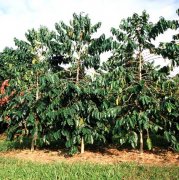
Coffee beans and coffee trees types of coffee trees
In general, coffee trees can grow to 4-5 meters high, and even 9-10 meters high. A single coffee tree but in places where coffee is artificially planted, people cut off the branches at the top of the coffee tree when it grows to three meters high, so that the coffee tree does not grow too high, so that it can be picked during harvest. According to the botanical classification, the coffee tree belongs to the domain: eukaryotic domain, Eukaryote realm:
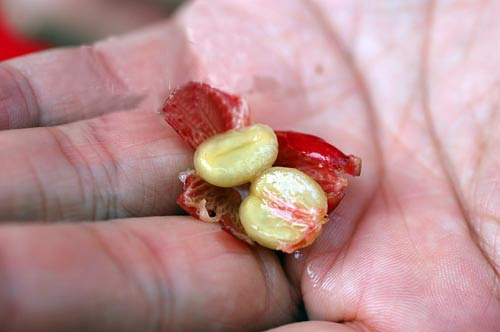
Coffee beans grow coffee beans seeds coffee raw beans Karana Jinta Mani fire, Bali, Indonesia
Coffee seeds cannot be grown directly with coffee fruits picked from coffee trees. Peeling coffee fruits is like planting peanuts. If you plant a peanut with a shell in the soil, it cannot sprout. You must plant peanuts. It is the same with medium coffee. If you have coffee fruit in your hand, you can first bask it in the sun and shake it until it is shaken inside.

What are the varieties of boutique coffee Arabica coffee beans are all premium coffee beans?
Professional coffee knowledge exchange more coffee bean information please follow the coffee workshop (Wechat official account cafe_style) front street-Arabica coffee varieties introduction Arabica coffee bean is the berry seed of the Arabica plant, and is one of two coffee beans used to produce coffee, the other is Robusta. Arabica coffee beans have low caffeine content, low acidity and more aromatic taste.

Ethiopian coffee Starbucks Ethiopian coffee appearance
Professional coffee knowledge exchange more coffee bean information please follow the coffee workshop (Wechat official account cafe_style) since the 1960s, coffee began to move from fast food products to quality products. Starbucks added experience attributes to the functional attributes of its products, expanding from 1000 stores to 13000 stores in the 10 years from 1997 to 2007. The third coffee around 2003

Description of grading Flavor of Ugandan Coffee Bean introduction to the production area of Grinding Calibration Variety treatment
Uganda coffee bean graded flavor description grinding scale variety treatment production area Coffee beans are processed from the fruits of coffee trees, which grow between 25 degrees south and north latitudes around the equator (as shown below), that is, tropical and subtropical regions. At present, there are more than 60 coffee producing countries, which are distributed in South America, Central America, the West Indies, Asia, Africa and Albania.

El Salvador Coffee Estate with a long finish. Flavor. Taste. Variety.
Savanna climate. Plain area belongs to tropical rain forest climate, mountain area belongs to subtropical forest climate. The annual average temperature is 25-28℃, the annual precipitation in mountainous areas is more than 1,800 mm, and that in coastal areas is about 1000 mm. May-October is the rainy season. Don't underestimate El Salvador's coffee production. In its heyday, it was the world's fourth-largest coffee producer, but decades of civil war nearly brought coffee down.
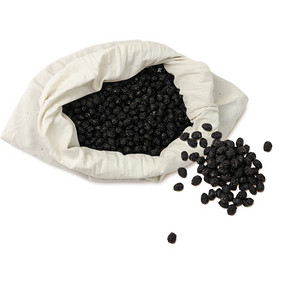
High-quality boutique coffee from Taiwan coffee, Mazu coffee
Follow the caf é (official Wechat account vdailycom) and found that Alishan Coffee, a small shop of its own, is grown in Arabica Coffee. This kind of coffee grows in a harsh environment. Taiwan is located in the subtropics, with high temperatures all the year round, and coffee trees like shade. If coffee trees are planted alone, they may be killed by strong sunlight, and the Ali Mountains are heavily forested.

Australia coffee growing area introduction New South Wales coffee growing area introduction
Australia Hilltop Village XF Country of Production: Australia Grade: XF Planting Area: New South Wales Brand: Hilltop Village Treatment Method: Dry ProcessAppearance: 6d/300gr, SCR17-18 Variety: Bourbon Note: Hilltop Village is located in Nimbing, New South Wales, Australia, in a subtropical climate. The planting area itself is an extinct volcano with an altitude of more than 1400 meters and has
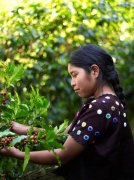
Guava Plain Manor, New Oriental region of Guatemala, Central and South American Coffee
Guatemala is one of the most important coffee producing countries in Central America, with long mountains and different regional climates, thus creating eight major coffee producing areas in Guatemala, all located on the highland topography of the subtropical climate, with abundant and stable rainfall and fertile volcanic ash soil is an excellent environment for coffee trees to grow. Plan del Guayabo is located next to the Volcn de Suchitn volcano.

Introduction to the planting environment and natural conditions of coffee trees from flowering to fruiting
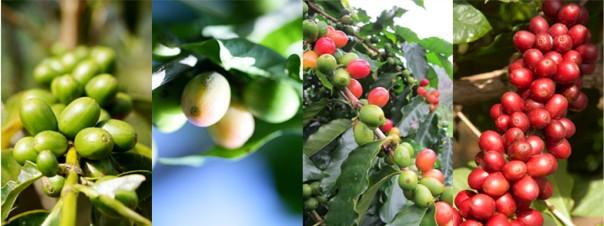
Introduction to the planting environment and natural conditions of coffee trees from flowering to fruiting Coffee trees bloom continuously from February to May. Bear fruit after anthesis. The fruit is green. No artificial pollination is needed. Every March, the branches of the coffee tree will appear white flowers, petals arranged in a spiral, the heart of the flowers jump around the petals, take a closer look, it is really like a small windmill playing in childhood, sending out bursts of jasmine

High-quality coffee beans are introduced in the coffee manor of Guatemala, which has the longest history.
Located in the tropics, there are many volcanoes in the territory, the northern and eastern coastal plains have a tropical rain forest climate, and the southern mountains have a subtropical climate. The year is divided into two dry and wet seasons, with the wet season from May to October and the dry season from November to April of the following year. The annual precipitation is 2000-3000 mm in the northeast and 500-1000 mm in the south. Forests account for half of the country's area and are the best latitude for coffee production.

Can coffee trees be planted in the coffee tree planting room? Growth conditions of Coffee trees
Professional coffee knowledge exchange more coffee bean consultation Please follow the coffee workshop (Wechat official account cafe_style) Coffee trees are difficult to grow outside tropical and subtropical climates, but if you have enough indoor and outdoor space or outdoor space as well as a suitable climate, you can plant several coffee trees at home and produce a small number of coffee beans yourself. A coffee tree takes three to five years.
Where can I buy coffee beans? how much is a kilo of Kenyan coffee AASL28SL34 Yala Manor Coffee?
Coffee seeds cannot be grown directly with coffee fruits picked from coffee trees. Peeling coffee fruits is like planting peanuts. If you plant a peanut with a shell in the soil, it cannot sprout. You must plant peanuts. It is the same with medium coffee. If you have coffee fruit in your hand, you can first bask it in the sun and shake it until it is shaken inside.

Characteristics of coffee bean varieties in three major coffee producing areas of Latin America
Professional coffee knowledge exchange more coffee bean information please follow the coffee workshop (Wechat official account cafe_style) appreciation of coffee trees from various coffee bean producing areas of the world is a genus of Rubiaceae in botany. Coffee trees are native to subtropical Africa and some islands in southern Asia. In the 16th and 17th centuries, through the merchants of Venice and maritime hegemony

Chinese Coffee Bean introduces Pu'er 's "Simao small seed Coffee"
Pu'er City is located between 22 degrees 02 to 24 degrees 50 minutes north latitude and 99 degrees 09 minutes to 102 degrees 19 minutes east longitude. Passing through the Tropic of Cancer, Pu'er City is a plateau climate zone with low latitude and humid monsoon climate in the south subtropics. It is in the same latitude as the world-famous coffee growing area Colombia, which is the golden zone of coffee cultivation. Cultivation of Simao small seed Coffee in Pu'er City

How much is a kilo of coffee beans? how to buy coffee beans? Ethiopian native species sun-dried coffee raw bean price
Coffee seeds cannot be grown directly with coffee fruits picked from coffee trees. Peeling coffee fruits is like planting peanuts. If you plant a peanut with a shell in the soil, it cannot sprout. You must plant peanuts. It is the same with medium coffee. If you have coffee fruit in your hand, you can first bask it in the sun and shake it until it is shaken inside.

Introduction to the characteristics of Coffee Flavor description and Grinding degree in Incht Manor, Guatemala
Guatemala is located in the tropics, the northern and eastern coastal plains have a tropical rain forest climate, the southern mountains have a subtropical climate, the year is divided into two dry and wet seasons, with the wet season from May to October and the dry season from November to April of the following year. The narrow and fertile flatlands on the Pacific side of Guatemala have a tropical climate. The central plateau is also the cultural center of Guatemala, where the year-round temperature ranges from 1300 to 1800 meters.

Linus Manor Fine Coffee Bean Flavor taste Manor introduction
China coffee network savanna climate. The plain area belongs to the tropical rain forest climate and the mountain area belongs to the subtropical forest climate. The average annual temperature is 25-28 ℃. The annual precipitation is more than 1800 mm in mountain areas and about 1000 mm in coastal areas. The rainy season is from May to October. Don't underestimate El Salvador's coffee production. In its heyday, it was the fourth largest coffee producer in the world, but it lasted decades of civil war.
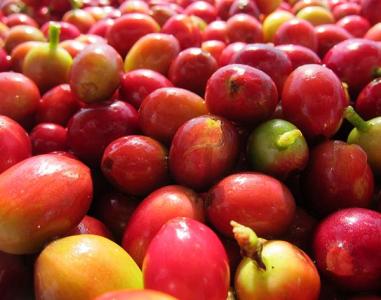
From flowering to maturity, coffee trees take months and years to grow before they can produce coffee beans.
Coffee trees take months to mature before they can be planted to produce coffee beans. Coffee trees can only grow in the tropics and subtropics, and coffee trees can grow in different climates, soils, elevations and rainfall in the middle of the coffee belt. The coffee tree thrives in the hot and humid canyons and forest rainforests of Africa; it still grows in cold, foggy, windy Central America.